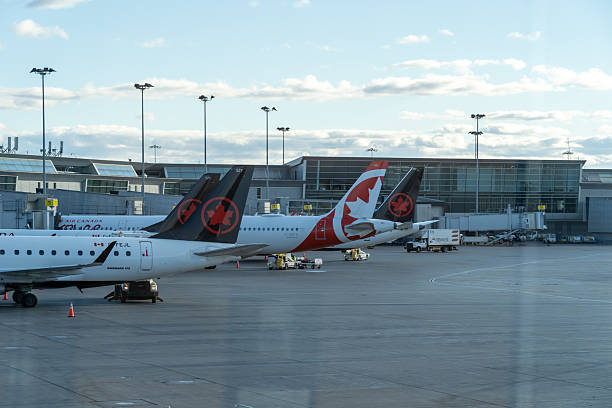
Canada continues to rank among the most desirable destinations for Africans seeking international employment opportunities. With a strong economy, multicultural society, world-class infrastructure, and a growing aviation industry, Canada offers exciting career paths for people from different backgrounds.
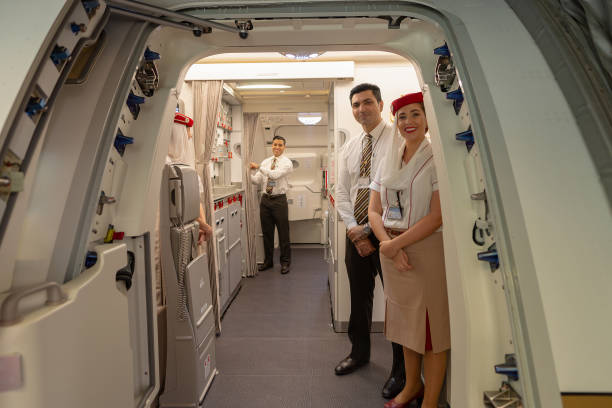
One profession that attracts thousands of job seekers every year is flight attendant work. Flight attendants are the face of an airline. They ensure passenger safety, provide customer service, handle emergencies, and contribute to a positive travel experience.
For many Africans, becoming a flight attendant in Canada represents more than just a job. It offers:
- Competitive salaries
- International travel opportunities
- Career growth
- Employee benefits
- Exposure to diverse cultures
- Potential immigration pathways
Furthermore, Canada’s aviation industry continues to recover and expand following global travel growth. As airlines increase routes and passenger traffic, the demand for qualified cabin crew members is expected to remain strong throughout 2026 and beyond.
However, before applying, it is important to understand:
- The duties of a flight attendant
- Required qualifications
- Aviation-related skilled sectors
- Salary expectations
- Visa sponsorship opportunities
- Immigration pathways
- Application procedures
This comprehensive guide will walk you through everything Africans need to know about pursuing flight attendant jobs in Canada.
Understanding the Role of a Flight Attendant
Many people assume flight attendants simply serve food and drinks during flights. In reality, the profession involves much more responsibility.
A flight attendant’s primary duty is passenger safety.
Before every flight, cabin crew members:
- Conduct safety inspections
- Verify emergency equipment
- Assist passengers with boarding
- Ensure compliance with safety regulations
During flights, they:
- Demonstrate safety procedures
- Respond to passenger concerns
- Administer first aid when necessary
- Manage emergencies
- Provide customer service
After landing, they:
- Assist passengers during disembarkation
- Complete reports
- Prepare for future flights
Consequently, airlines seek individuals who can remain calm under pressure while maintaining excellent customer service.
Why Canada Needs Flight Attendants
Canada is one of the largest countries in the world geographically.
As a result:
- Domestic air travel is essential
- International travel continues growing
- Tourism contributes significantly to the economy
- Business travel remains strong
Additionally, many experienced aviation professionals are retiring.
Therefore, airlines regularly recruit new cabin crew members.
Major airlines continue hiring throughout the year to meet operational demands.
Canada’s Aviation Industry Overview
The aviation sector extends beyond airlines.
Several skilled industries support air transportation.
These sectors create employment opportunities for both Canadians and immigrants.
Skilled Aviation Job Sectors in Canada
Although this guide focuses on flight attendants, understanding related aviation sectors can broaden your career options.
1. Flight Attendants and Cabin Crew
This is the most visible aviation role.
Responsibilities include:
- Passenger safety
- Emergency response
- Customer service
- Cabin operations
Average Salary:
- CAD $45,000 – CAD $85,000 annually
Experienced attendants working international routes often earn more.
2. Airline Operations
This sector includes:
- Flight dispatchers
- Operations coordinators
- Scheduling specialists
Average Salary:
- CAD $50,000 – CAD $95,000 annually
3. Airport Customer Service
Roles include:
- Gate agents
- Passenger service representatives
- Ticketing staff
Average Salary:
- CAD $40,000 – CAD $70,000 annually
4. Aviation Safety and Security
Positions include:
- Safety officers
- Compliance specialists
- Security personnel
Average Salary:
- CAD $55,000 – CAD $110,000 annually
5. Aircraft Maintenance
Aircraft technicians are among the most in-demand aviation professionals.
Average Salary:
- CAD $65,000 – CAD $120,000 annually
6. Air Traffic Services
Roles include:
- Air traffic controllers
- Flight information specialists
Average Salary:
- CAD $90,000 – CAD $180,000 annually
7. Airline Management
Management positions include:
- Cabin crew managers
- Operations managers
- Airport managers
Average Salary:
- CAD $80,000 – CAD $180,000 annually
Why Flight Attendant Jobs Appeal to Africans
Many Africans are attracted to cabin crew careers for several reasons.
First, the profession does not always require a university degree.
Second, airlines value:
- Communication skills
- Customer service abilities
- Professionalism
Third, flight attendants enjoy unique benefits including travel opportunities.
Additionally, many African applicants already possess multilingual skills, which can be an advantage in international aviation.
Requirements for Flight Attendant Jobs in Canada
Before applying, you must understand airline requirements.
Although requirements vary, most airlines seek candidates who meet specific standards.
Age Requirement
Most airlines require applicants to be at least:
- 18 years old
- Sometimes 19 years old
Education
Typically, airlines require:
- High school diploma
- Secondary school certificate
However, additional education can strengthen your application.
Language Skills
English is essential.
French can provide a significant advantage, particularly for airlines operating throughout Canada.
Additional languages may also be beneficial.
Examples include:
- Arabic
- Swahili
- Yoruba
- French
- Portuguese
Customer Service Experience
Airlines strongly prefer candidates with backgrounds in:
- Hospitality
- Retail
- Tourism
- Hotels
- Customer support
Medical Fitness
Flight attendants must meet health requirements.
This often includes:
- Good vision
- Physical fitness
- Ability to stand for long periods
Security Clearance
Applicants undergo background checks.
A clean criminal record is important.
Essential Skills Airlines Look For
Competition can be intense.
Therefore, successful candidates usually demonstrate:
Communication Skills
Clear communication is essential during emergencies.
Teamwork
Flight attendants work closely with pilots and fellow crew members.
Problem-Solving
Unexpected situations occur regularly.
Adaptability
Schedules frequently change.
Cultural Awareness
International passengers come from diverse backgrounds.
Major Airlines Hiring in Canada
Several airlines employ cabin crew.
Examples include:
- Air Canada
- WestJet
- Air Transat
- Porter Airlines
- Flair Airlines
Each airline has its own recruitment procedures.
Salary Expectations for Flight Attendants in Canada
Salary varies based on:
- Airline
- Experience
- Routes
- Seniority
Let’s examine typical earnings.
Entry-Level Flight Attendants
Average Salary:
- CAD $45,000 – CAD $55,000 annually
Mid-Level Flight Attendants
Average Salary:
- CAD $55,000 – CAD $75,000 annually
Senior Flight Attendants
Average Salary:
- CAD $75,000 – CAD $95,000+ annually
Additional Benefits
Beyond salary, airlines often provide:
Travel Benefits
Employees frequently receive:
- Discounted flights
- Free standby travel
- Family travel privileges
Health Insurance
Comprehensive medical benefits are common.
Retirement Plans
Many airlines offer pension contributions.
Paid Leave
Flight attendants generally receive paid vacation time.
Can Africans Get Visa Sponsorship?
This is one of the most important questions.
The answer is: yes, but sponsorship opportunities depend on employer needs and immigration regulations.
Unlike some occupations experiencing severe shortages, flight attendant positions are competitive.
Therefore, sponsorship is less common than in sectors such as:
- Healthcare
- Truck driving
- Skilled trades
However, opportunities still exist.
Immigration Pathways to Work as a Flight Attendant
Several immigration pathways may lead to employment.
1. Temporary Foreign Worker Program (TFWP)
Some employers may hire foreign workers through this program.
The employer may need to obtain a Labour Market Impact Assessment (LMIA).
2. Express Entry
Many Africans first immigrate through Express Entry and then apply for aviation jobs after arriving.
This pathway is often more realistic.
3. Provincial Nominee Programs (PNPs)
Certain provinces nominate workers with skills needed in their labor markets.
4. Study-to-Work Route
Many international students:
- Study in Canada
- Obtain post-graduation work permits
- Secure airline jobs afterward
Understanding LMIA
LMIA stands for Labour Market Impact Assessment.
An employer may need to prove:
- No qualified Canadian worker is available
- Hiring a foreign worker is necessary
A positive LMIA supports a work permit application.
Step-by-Step Visa Application Process
Let’s break the process down clearly.
Step 1: Meet Eligibility Requirements
Ensure you satisfy:
- Education requirements
- Language requirements
- Health standards
Step 2: Build Relevant Experience
Customer service experience significantly improves your chances.
Work experience in:
- Hotels
- Tourism
- Airlines
- Hospitality
can strengthen your profile.
Step 3: Prepare a Professional CV
Your resume should highlight:
- Communication skills
- Customer service achievements
- Language abilities
Step 4: Apply to Canadian Airlines
Submit applications directly through airline career portals.
Step 5: Attend Interviews
Airlines often conduct:
- Online interviews
- Group assessments
- In-person interviews
Step 6: Receive Job Offer
Successful applicants receive a conditional employment offer.
Step 7: Employer Sponsorship (If Applicable)
If sponsorship is available:
- Employer initiates paperwork
- LMIA may be obtained
Step 8: Apply for Work Permit
Submit:
- Job offer
- Passport
- Supporting documents
Step 9: Complete Biometrics
Most applicants provide:
- Fingerprints
- Photographs

Step 10: Medical Examination
You may need an approved medical assessment.
Step 11: Receive Visa Approval
After approval, you can prepare for travel.
Step 12: Travel to Canada
Upon arrival:
- Complete immigration formalities
- Begin onboarding with your employer
Documents Required
Common requirements include:
- Valid passport
- Educational certificates
- Resume
- Language test results (if required)
- Police clearance certificate
- Medical reports
- Job offer letter
Always verify requirements before submission.
Common Challenges Africans Face
Understanding potential obstacles helps you prepare better.
Limited Direct Sponsorship
Not all airlines sponsor foreign workers.
Strong Competition
Thousands of applicants compete for cabin crew positions.
Relocation Costs
Moving to Canada requires financial preparation.
Cultural Adjustment
Adapting to Canadian workplace culture may take time.
How to Improve Your Chances
Success often depends on preparation.
Improve Customer Service Skills
Airlines prioritize service excellence.
Learn French
Bilingual candidates are highly valued in Canada.
Obtain First Aid Certification
This demonstrates readiness for safety-related duties.
Build Professional Experience
Relevant experience increases competitiveness.
Practice Interview Skills
Airline interviews focus heavily on customer service scenarios.
Life as a Flight Attendant in Canada
The lifestyle can be exciting.
You may:
- Travel frequently
- Meet people from around the world
- Experience different cultures
However, the job also involves:
- Irregular schedules
- Overnight stays
- Long working hours
Therefore, flexibility is essential.
Is Becoming a Flight Attendant in Canada Worth It?
For many Africans, the answer is yes.
The profession offers:
- Good income
- International exposure
- Career growth
- Travel opportunities
- Employee benefits
Furthermore, aviation experience can open doors to other sectors including:
- Airline management
- Training
- Airport operations
Final Thoughts
Flight attendant jobs in Canada offer an exciting and rewarding career path for Africans seeking opportunities abroad. While competition can be strong, candidates who prepare strategically, gain customer service experience, improve their communication skills, and understand immigration pathways can position themselves for success.
The Canadian aviation industry values professionalism, safety, teamwork, and excellent customer service. If you possess these qualities and are willing to invest in your career development, a future in Canada’s airline industry may be within reach.
Conclusion
Canada’s aviation industry continues to provide opportunities for talented and motivated individuals from around the world. Flight attendant positions remain among the most attractive aviation careers because they combine competitive salaries, travel benefits, personal growth, and career advancement opportunities.
For Africans aspiring to work abroad, becoming a flight attendant in Canada can be more than just a job—it can be the beginning of an international career and a new chapter in life.
Start by building relevant experience, strengthening your communication skills, researching airlines, and understanding immigration requirements. With persistence, preparation, and the right strategy, your dream of working as a flight attendant in Canada can become a reality.